
Internal linking strategy
What this page covers
Internal linking strategy defines how pages connect so people and search engines can move through a site more easily.
A clear structure helps show which pages matter most. It also helps search engines discover pages, crawl them, and understand how topics relate across the site.
This page gives a high-level view of the topic, with paths below for UAE website planning and for building hub-and-leaf internal link maps.
What to choose
- Choose the UAE website path if you want a practical view of how internal links support navigation, crawl discovery, and page importance across a local site.
- Choose the hub-and-leaf path if you are planning pillar pages and cluster pages, with broader topics linking to narrower supporting content.
- Use this section if you want guidance based on crawlable links, clear anchor text, and a structured content hierarchy instead of isolated page edits.
Where to go next
The pages below go deeper into two related areas: planning an internal linking strategy for a UAE website and mapping links across hub-and-leaf search layers.
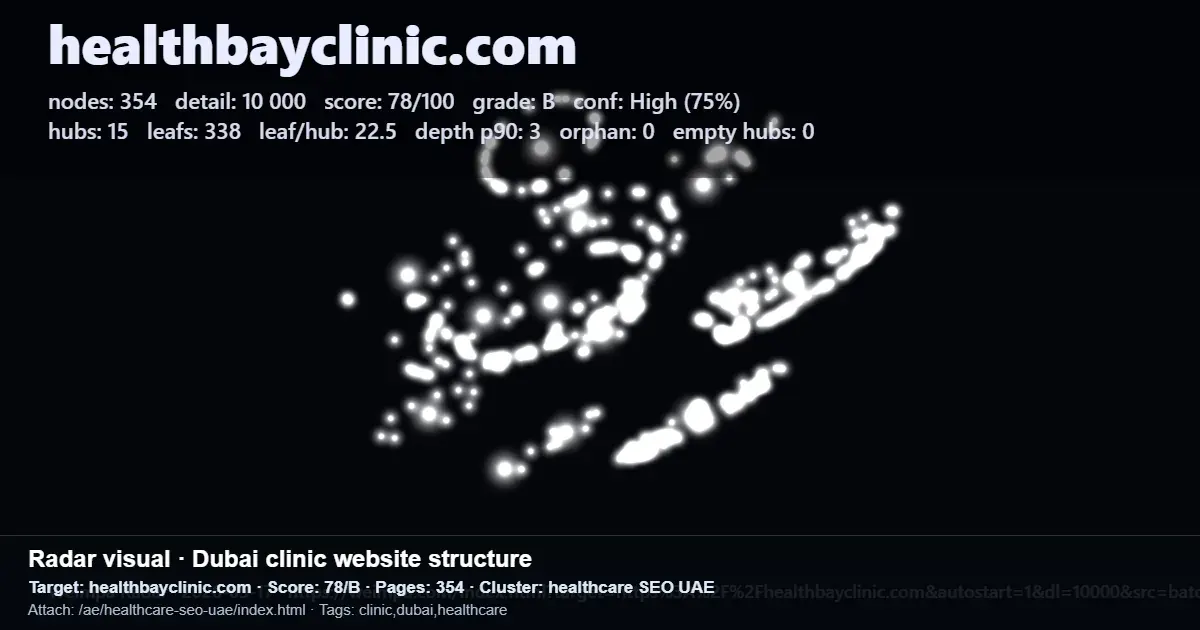
Together, they reflect a hub-and-spoke structure where broader pages connect to more specific pages, helping search engines discover content and understand topical relationships.
What matters
- Internal links help both users and search engines move through content across a site.
- Search guidance for this topic consistently highlights crawlable links and descriptive anchor text.
- The broader planning approach also supports hub-and-spoke site design and ongoing content improvement.