
Search visibility monitoring for uae website
What this page covers
Search visibility monitoring for uae website
Search visibility monitoring helps a UAE website track how often it appears in search results and AI-generated answers, not just whether a few keywords rank well.
A useful setup tracks changes over time, compares multiple signals, and flags unusual drops that may follow algorithm updates, competitor changes, or new search features.
In brief
- For a UAE website, monitoring should go beyond average rank and compare rankings with impression share and real search checks.
- Visibility can shift quickly, so it helps to catch sudden drops early instead of relying only on delayed or sampled reports.
- AI search matters as well, because visibility may include brand or content mentions in answers even when no direct link is shown.
What to do
A practical monitoring setup starts with the basics: which pages and hubs are visible, where discovery is weak, and which sections of the site need attention first. For UAE businesses that rely on inbound traffic, this gives a clearer picture than isolated rankings alone.
Good monitoring should reflect how search works in real life. A high position on a low-demand query may bring little value, so it helps to compare rankings with impression share and validate patterns with real search checks rather than relying only on average position data.
Because Google and AI-powered search can surface information differently, monitoring should lead to action. When the pattern shows weak visibility, the next step is usually a structural or content improvement such as better page planning, stronger internal linking, or more useful sections that match answer-led search behaviour.
What to keep in mind
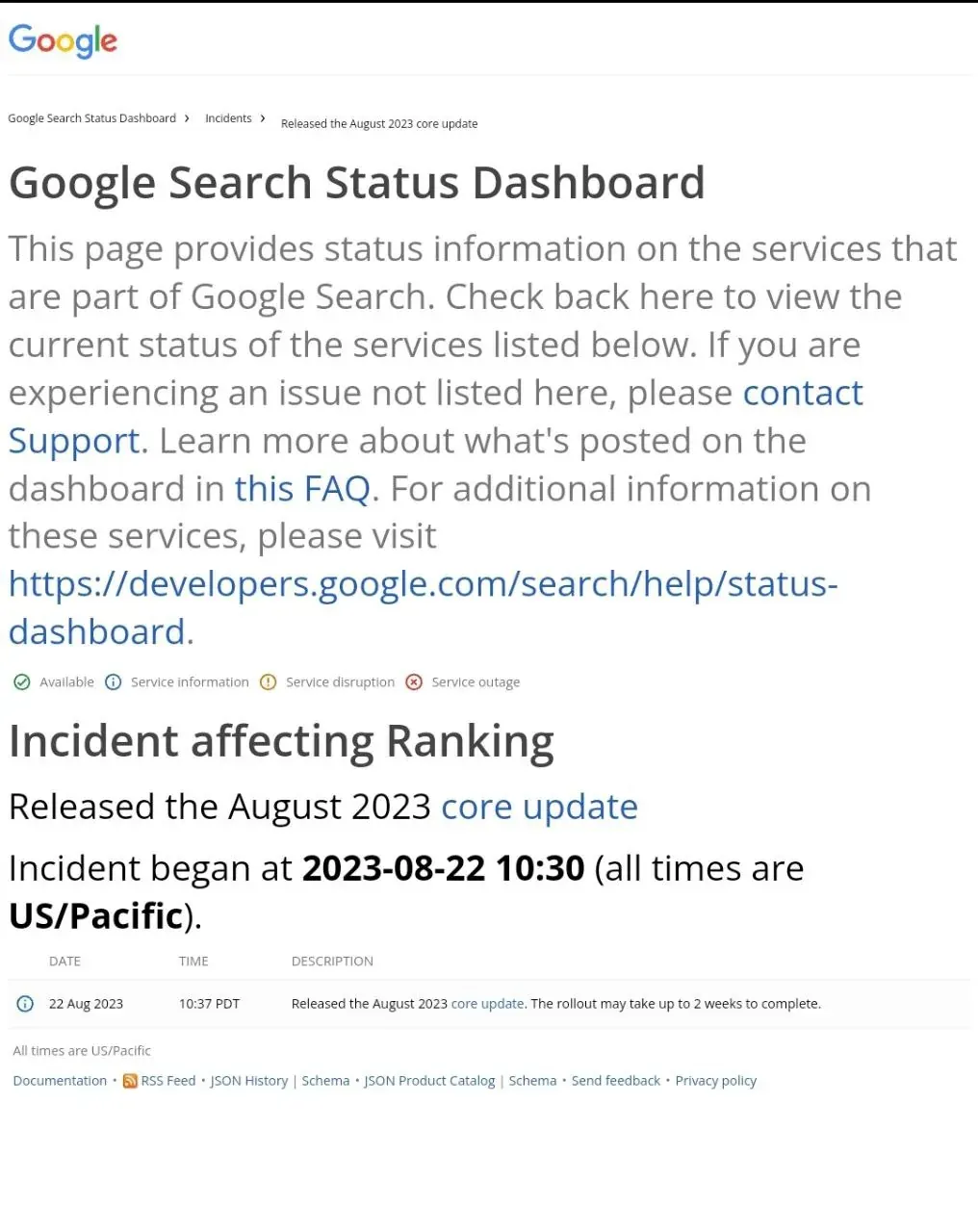
Search visibility is not fixed. It can move from day to day because of algorithm changes, competitor activity, or search feature rollouts, so monitoring works best as an ongoing process rather than a one-off check.
For UAE websites, it makes sense to review more than Google alone. Some audiences may also use Bing or Yahoo, and AI chat features can present local business information in different ways, which changes what visibility means in practice.
This work is most useful for companies that want to understand how their public website is being discovered through Google and AI search. A free Radar scan is a practical starting point, checking site structure, visible pages and hubs, and where discovery may be blocked before deeper fixes are planned.