
B2B SEO UAE
What this page covers
B2B SEO in the UAE often depends on clear site structure, strong internal linking, and how easily search engines can discover service and location page combinations.
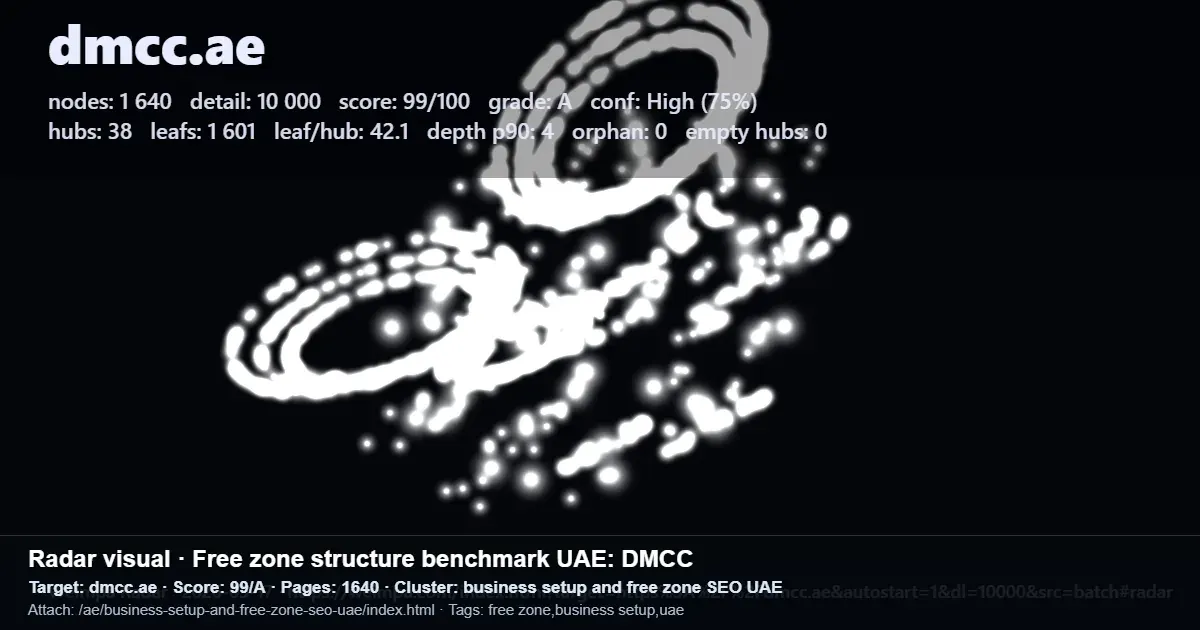
UAE benchmark snapshots show a wide range in site depth, page counts, and overall scores. That gap suggests search visibility can differ sharply between businesses with different content structures.
This hub brings together practical paths for teams reviewing indexing, service page setup, demand capture, and the balance between SEO and paid search on UAE B2B websites.
What to choose
- Choose the directory and indexing path if your site has many listings, categories, services, or UAE locations and key page combinations are hard to crawl or find.
- Choose the diagnostics and checklist path if you need to review page coverage, internal linking, sitemap visibility, or risks from thin and duplicate pages.
- Choose the transition and demand capture path if you are comparing SEO with paid search and want a clearer view of B2B service demand in Dubai or across the UAE.
Where to go next
Below you can explore focused pages on B2B SEO in the UAE, including directory structure, service page layout, demand capture, diagnostics, and indexing checks.
Use these pages to narrow down the issue that best matches your site, whether you manage a broad content footprint or a smaller set of sales and service pages.
What matters
- One UAE benchmark snapshot shows bayzat.com with 305 pages, 4 hubs, 300 leaf pages, depth p90 of 3, and a score of 68 out of 100, graded C.
- Another UAE benchmark snapshot shows dnata.com with 14 pages, 3 hubs, 10 leaf pages, depth p90 of 4, and a score of 17 out of 100, graded F.
- The child topics in this hub focus on crawlability, internal linking, sitemap discovery, and page structure issues that often affect B2B SEO coverage in the UAE.